


Team Building vs Group Dynamics: Not the Same Thing – Here’s the Difference
People often use “team building” and “group dynamics” as if they were interchangeable – and, in practice, much of the confusion when planning a team event comes precisely from not telling the two apart. They are not synonyms: a group dynamic is a piece; team building is the whole. Understanding this difference helps you decide what your team really needs at any given moment.
Definitions and scope of each concept
People often use team building and group dynamics as if they were interchangeable concepts, but failing to distinguish between them creates confusion when planning a team event.
Team building
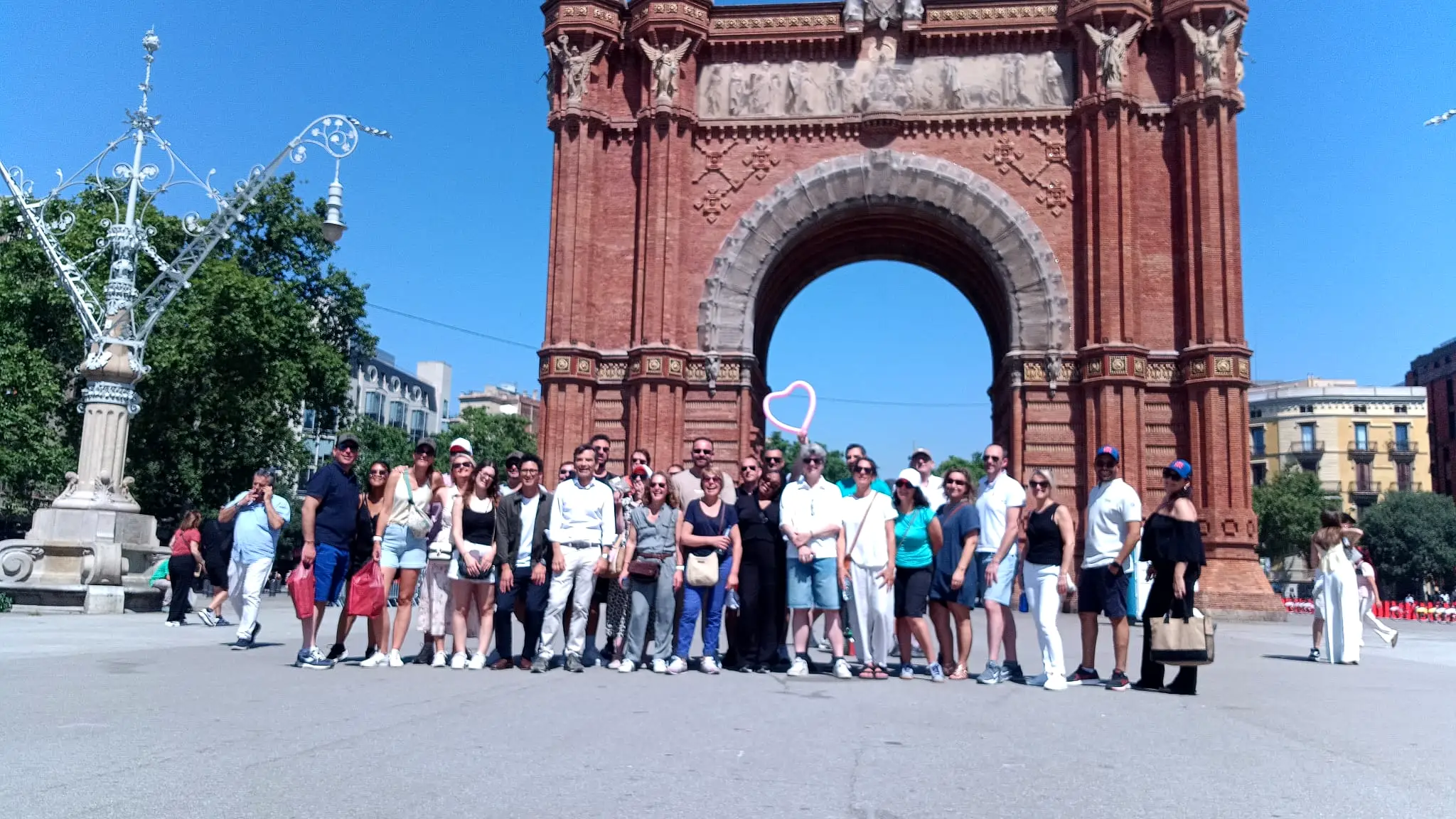
Team building is a complete event or experience, designed with a goal of cohesion, communication or team development, which usually combines several elements: a core activity (culinary, creative, sporty…), a setting (a venue, a time of day, sometimes a trip) and, often, one or more group dynamics built into that wider experience.
Group dynamics
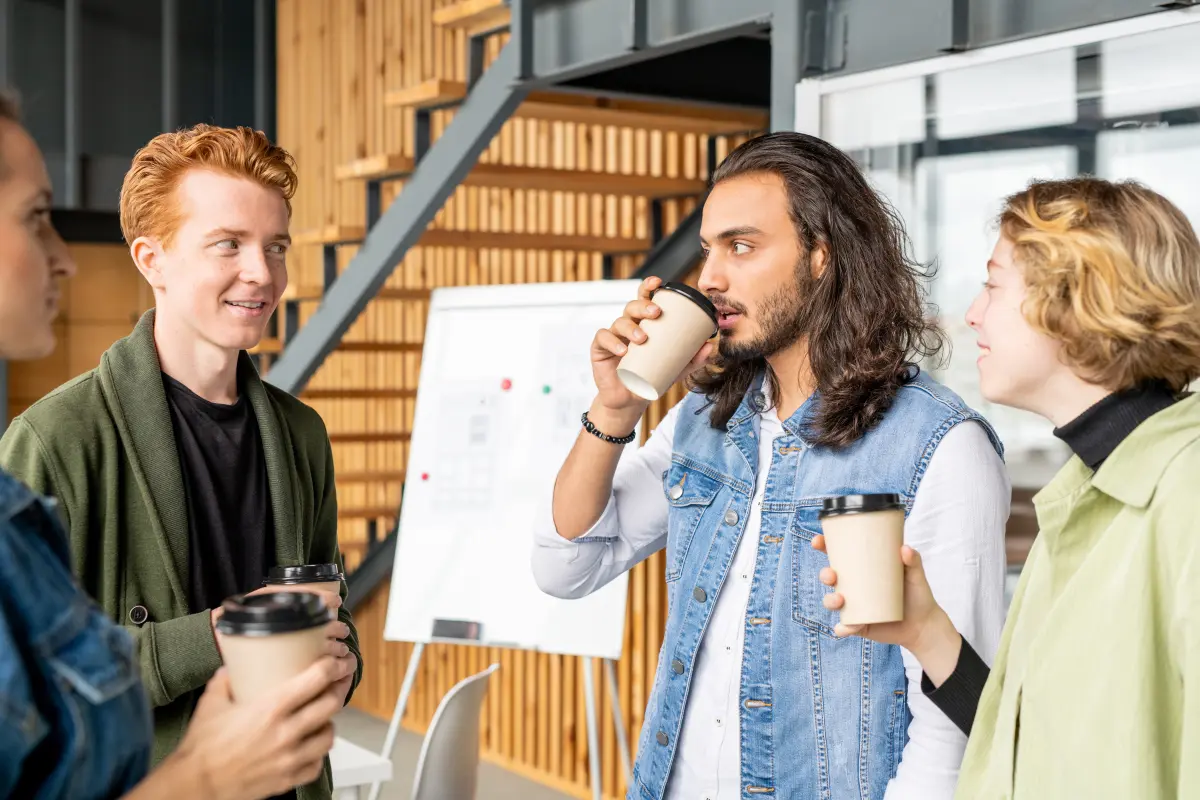
A group dynamic is a short, self-contained exercise, usually lasting between 15 and 60 minutes, designed to work on one very specific aspect of how the team functions: breaking the ice, practising active listening, simulating how to resolve a conflict. A group dynamic can be run on its own (for example, at the start of a meeting or training session) or as part of a wider team building event.
2 h – 1 day
team building: complete experience
15–60 min
group dynamic: focused exercise
The relationship between the two concepts is therefore one of container and content: team building is the framework; group dynamics are often the building blocks within it – although team building can also include elements that are not “dynamics” in the strict sense (eating together, exploring a place, tasting a product).
Differences in duration, format and objective
| Team building | Group dynamic | |
|---|---|---|
| Duration | From 2 hours to a full day | 15–60 minutes |
| Format | Complete experience (activity + setting) | Self-contained exercise, often with no additional setting |
| Objective | Broad: cohesion, switching off, celebration, development | Specific: one skill or particular aspect |
| Usual frequency | Occasional (an event) | Can be repeated often (as part of training sessions or meetings) |
| Need for an external facilitator | Common, especially for complex formats | Varies – many dynamics can be led internally |
When to use a standalone group dynamic
A standalone group dynamic makes sense when:
- You want to work on one very specific aspect (for example, improving communication between two departments that rarely interact) without having to organise a full event.
- Time is limited – for example, within a training day or a team meeting, where setting aside 30 minutes for a dynamic is feasible but organising a half-day event is not.
- You are looking for a recurring practice built into the team’s routine (for example, a short dynamic at the start of each monthly team meeting).
When to plan a full team building event
A full team building event makes sense when:
- The goal goes beyond one specific aspect – you are looking for a moment of overall cohesion, switching off, celebration or closing a chapter.
- You want to create a memorable experience, not just a functional exercise – the “event” component (venue, dedicated time, a break from routine) is part of the value.
- There is a milestone that justifies it: the end of a project, welcoming new joiners, the end of the year, celebrating a goal achieved.
How the two fit into a team development strategy
The most effective way to think about the relationship between the two is not “one or the other”, but as complementary levels:
Recurring group dynamics
Built into day-to-day work (meetings, training sessions), working on specific aspects on an ongoing basis.
Occasional team building
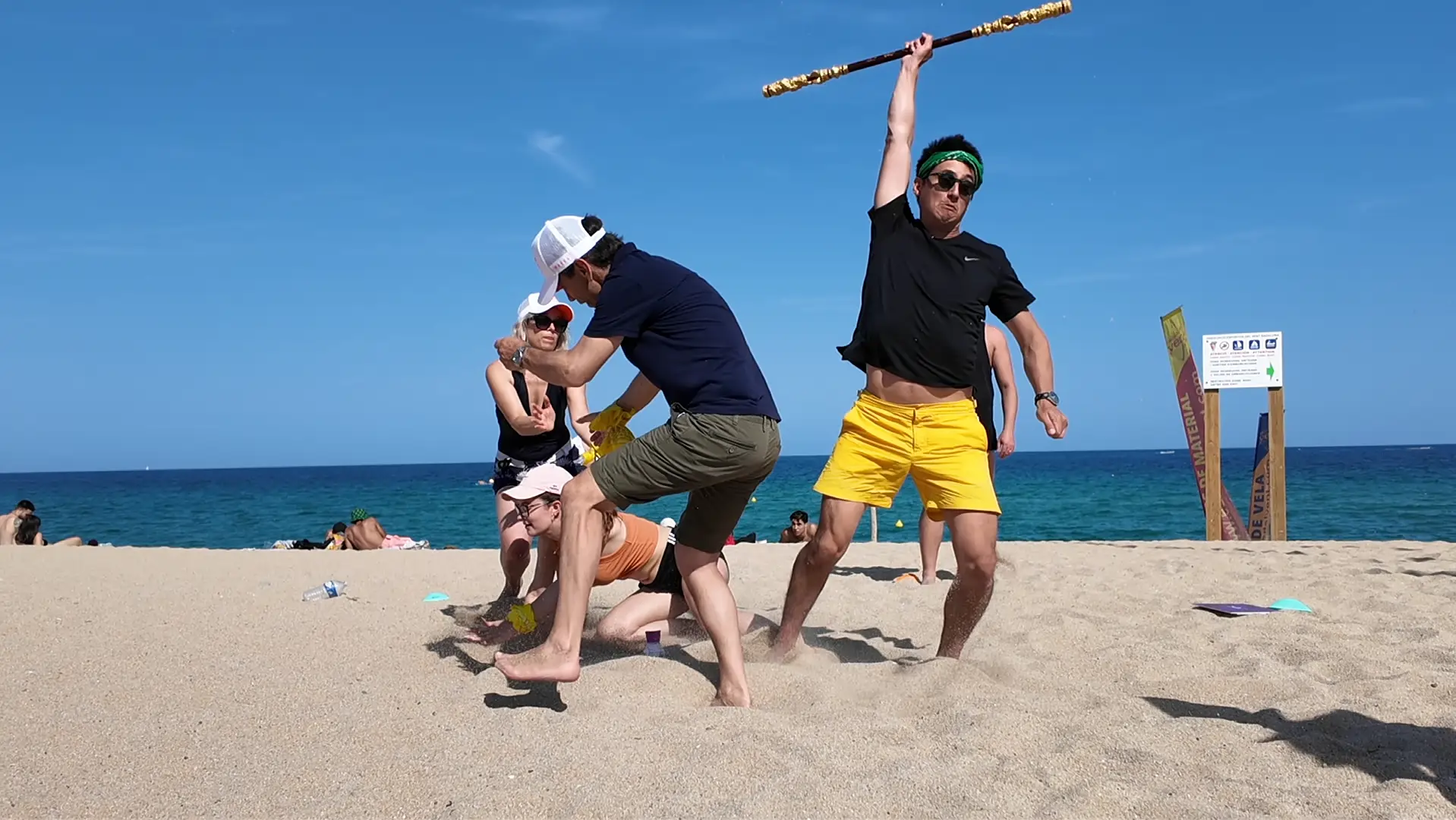
Larger-format events tied to milestones, giving the skills worked on day to day room to show in a different setting (more informal, longer, more experiential).
A team that only ever does one-off group dynamics, without a larger-format event, may end up seeing those dynamics as “exercises” disconnected from the team’s real culture. A team that only does team building once a year, with no ongoing work, may find that the effects of the event fade quickly once everyone is back in their routine.
Summary comparison table
| Question | If the answer is “yes” → | Recommended format |
|---|---|---|
| Do you need to work on one very specific aspect in a short time? | Yes | Standalone group dynamic |
| Is there a milestone (project, new joiners, end of year) to celebrate or mark? | Yes | Full team building event |
| Do you want the effect to last over time, not just during the event? | Yes | Combine both: recurring dynamics + occasional team building |
| Is the time available limited (part of a meeting or working day)? | Yes | Standalone group dynamic |
Not sure whether your team needs a one-off dynamic or a full event? Tell us about your situation – where your team is at, the time available and your objective – and we’ll help you choose the most suitable format.